You can’t judge a book by its cover…or maybe yes!
By Roberto Lo Russo
By Roberto Lo Russo
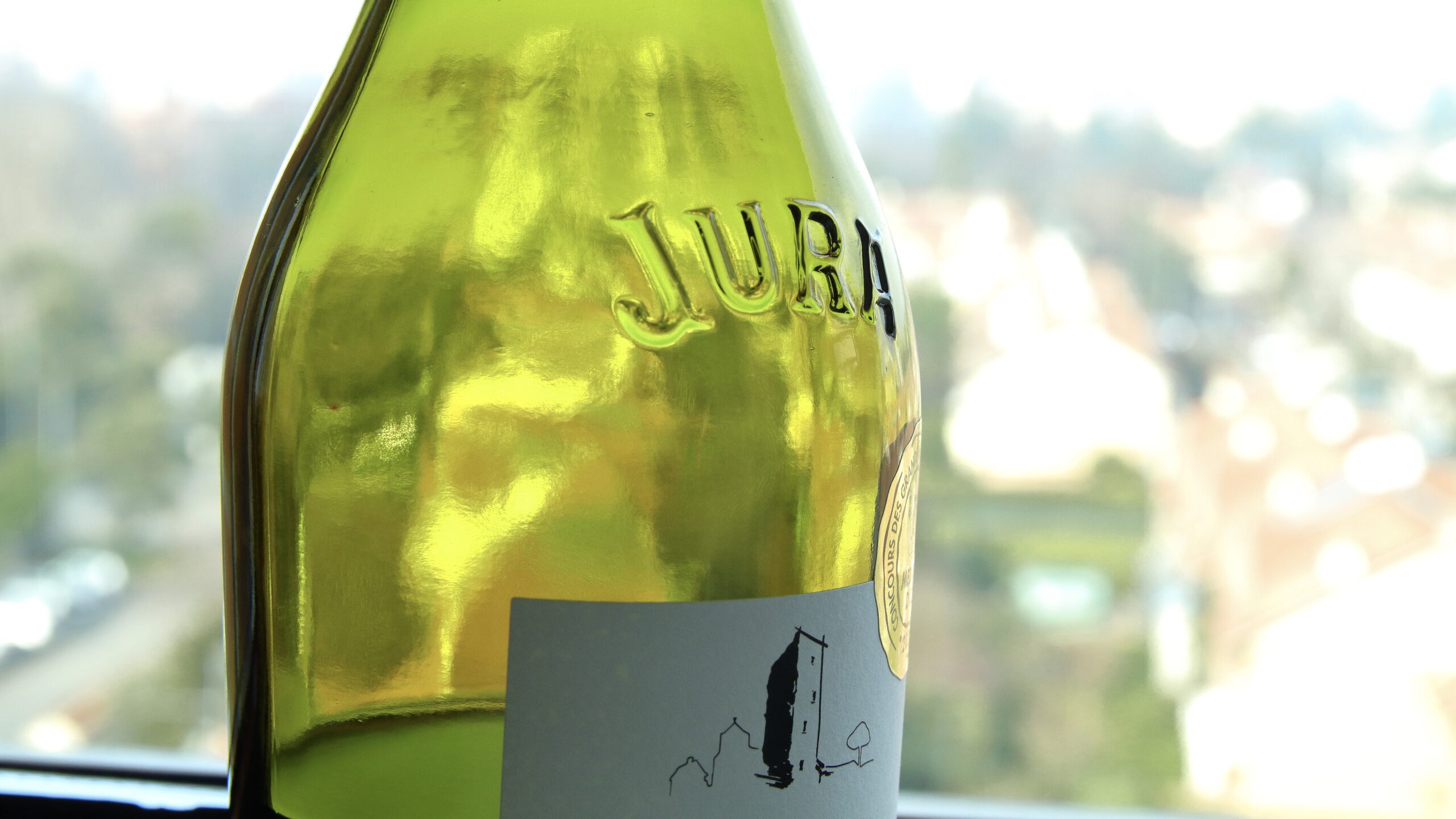
Come on, we all know first impression, on every topic of our existence, is what counts. External appearance, either stuff or persons, puts us automatically in a mood that creates expectations – good or bad – about the real meaning of what we’re looking at.
On buying a bottle of wine, the first look goes on the label, as the majority of wines come in almost identical bottle shape. The vast majority of still wines – either whites or reds – are sold in the so called “bordeaux bottle”, whereas sparkling wines are bottled in the so called “champagne bottle”.
It’s worth to mention the “burgundy bottle”, typical for production in the homonymous region, but nowadays largely used all over the world (and yes, this shape is often used to enhance the perception of quality, leading minds to Burgundy…).
Free choice or requirement
There are a number of PDI (Protected Designation of Origin), especially in EU, that require wines to be bottled onto specifically shaped bottles, otherwise banning the sale of the wine under the PDO.
In Langhe region (Piedmont, Italy) the Albeisa bottle, with the name name embossed on the bottle shoulder, was born around 1700 to identify the area and nowadays has been adopted by many producers – even thought it’s not a requirement.
Going northbound from Langhe, let’s visit at the same time a french and german territory, where we can find almost the same bottle, called Aslace bottle in France and Germanic (or flute) in Germany, with almost non-existent shoulder, slim with very long neck.
Running bak in Italy and driving towards the center of the country, in Marche region, we can find another well-known bottle shape, typically emerald green, inspired by anfora shapes from ancient Etruscans, today is the typical icon of Verdicchio di Matelica. Born in 1953 by the wine producer Fazi Battaglia, nowadays largely replaced by more classic Bordeaux shape to overcome the bad quality reputation due past oenological activities (let’s say) unlucky that, in the meantime put the Verdicchio in a corner and, as a consequence, its representative bottle. A very similar bottle i- and at this time possibly much more worldwide known – is widely used for rosé wines in Provence, France.
As we like a lot driving around without a plan, let’s go head again in northern Italy, in Franciacorta (traditional method sparkling wines only) where we can bump onto another very beautiful bottle: Ferghettina, well known name in the area, uses bottle that, starting from a typical round neck, became more and more squared as it goes towards the bottom, allowing lees to have a bigger surface to lay on during the second fermentation.
Iconic design
There are some bottle shapes that became iconic, thanks to their unique design, either ancient of modern.
It was, possibly, the XIV century in Chianti region when the glass-maker art in the area was already well established and the very first fiaschi were born to bottle local wines. The fiasco, obviously hand made, was at time excessively fragile and easily at risk of breakage, so producers became to cover it with a widely available grass in nearby marshlands, so to protect the glass and, not bad as outcome, also protecting the wine from sunlight. Even a new job was born to cover the fiaschi with the grass, the fiascaia. Industrialization and economic boom of the early XX century made a persistent decline of the fiasco, in favour of the more economically efficient Bordeaux bottle – that is also much more efficient in terms of transportation. In recent years, few Chianti producers re-started bottling the wine in its ancient vat, in order to enhance its historical value.
Few years after the creation of the Verdiccio’s anfora-like bottle, another bottle came up on the market, intended to hit the interest of people all over the world probably thanks to be linked to a single producer – and so unique that its shaper is trademarked. In 1958 Giacarlo Travaglini, in Gattinara area (northern Piedmont, Italy) had the vision to break-up the schemes designing a bottle either beautiful and useful. It’s sinuous shape reminds a marble sculpture – especially in its silky-like version – allows to pour wine onto the glass stopping potential sediments that could have naturally built up on the bottom of the bottle (actually, it’s exactly the same function of the shoulder in the Bordeaux bottle, but with much more elegance).
Zar bottle
Should we say anything about the worldwide famous Louis Roederer Cristal? The sough-after prestige cuvée was created from the french maison on specific request of Zal Alexandre II in 1876 who, over that requiring the highest possible quality, gave specific indications for the bottle, as the flat bottom (to avoid small bombs could be hidden in the concave bottom) and the clear glass in place of the dark glass (this to give ability to see potential poison additions). The Zar, it seems, was very anxious about his safety, but who wouldn’t be knowing over than half of his predecessors were murdered?
There are a number of other examples of producers that, from time to time, have introduced on the market bottles with innovative shapes or, anyway, different from the others, sometimes successfully, other less fortunate. But, not taking into consideration the commercial result, this gives us the idea that something like the bottle, something we give little attention and little value, has instead a much important role, either commercially speaking and technically, and sometimes historical.